Mold Testing in Kansas City, MO
Stop Guessing What's In Your Air.
An inspection tells you where mold might be. Testing tells you exactly what it is and how much of it there is.
That matters if you’re buying a home, dealing with a health concern, or need documented proof for insurance. We collect the samples, send them to an accredited lab, and walk you through what the results actually mean.
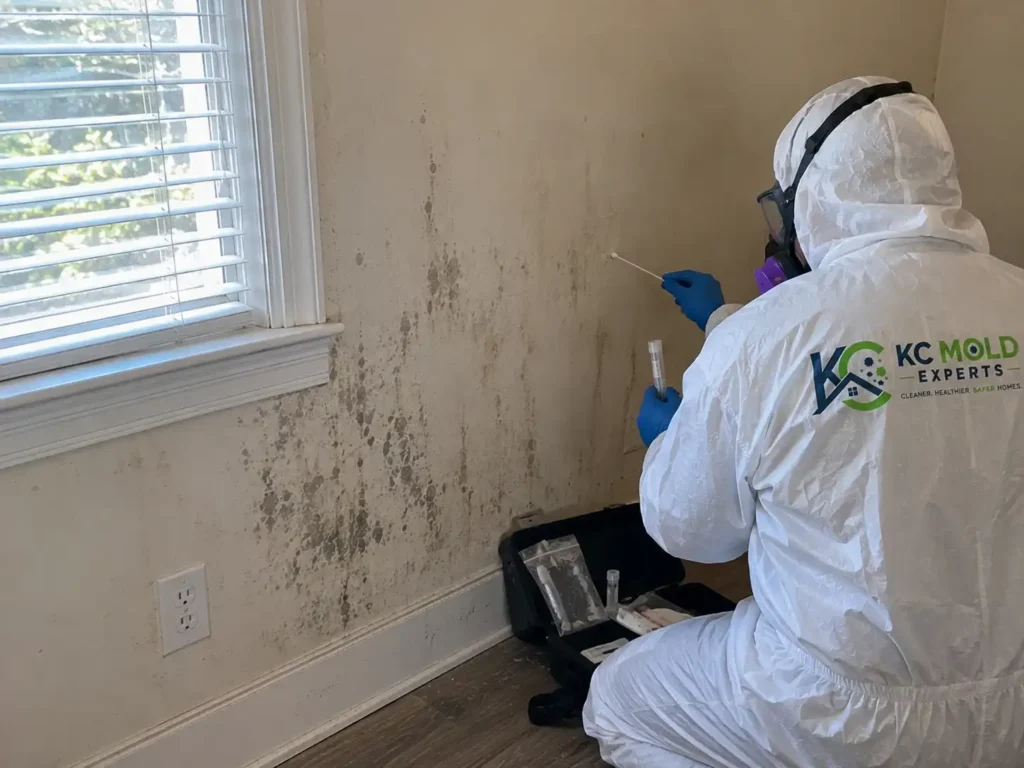
Certified, Insured, Fast Mold Testing for KC Homes & Businesses
KC Mold Experts is licensed and insured in Missouri and Kansas. An independent, accredited third-party lab analyzes samples; we don’t grade them in-house.
Every test includes a written report that explains the results in plain language. Same-week appointments across the Kansas City metro.
Professional Mold Testing Services in Kansas City MO
Air Sampling
Surface Sampling
Other Testing Methods When Appropriate
When Is Mold Testing Appropriate?
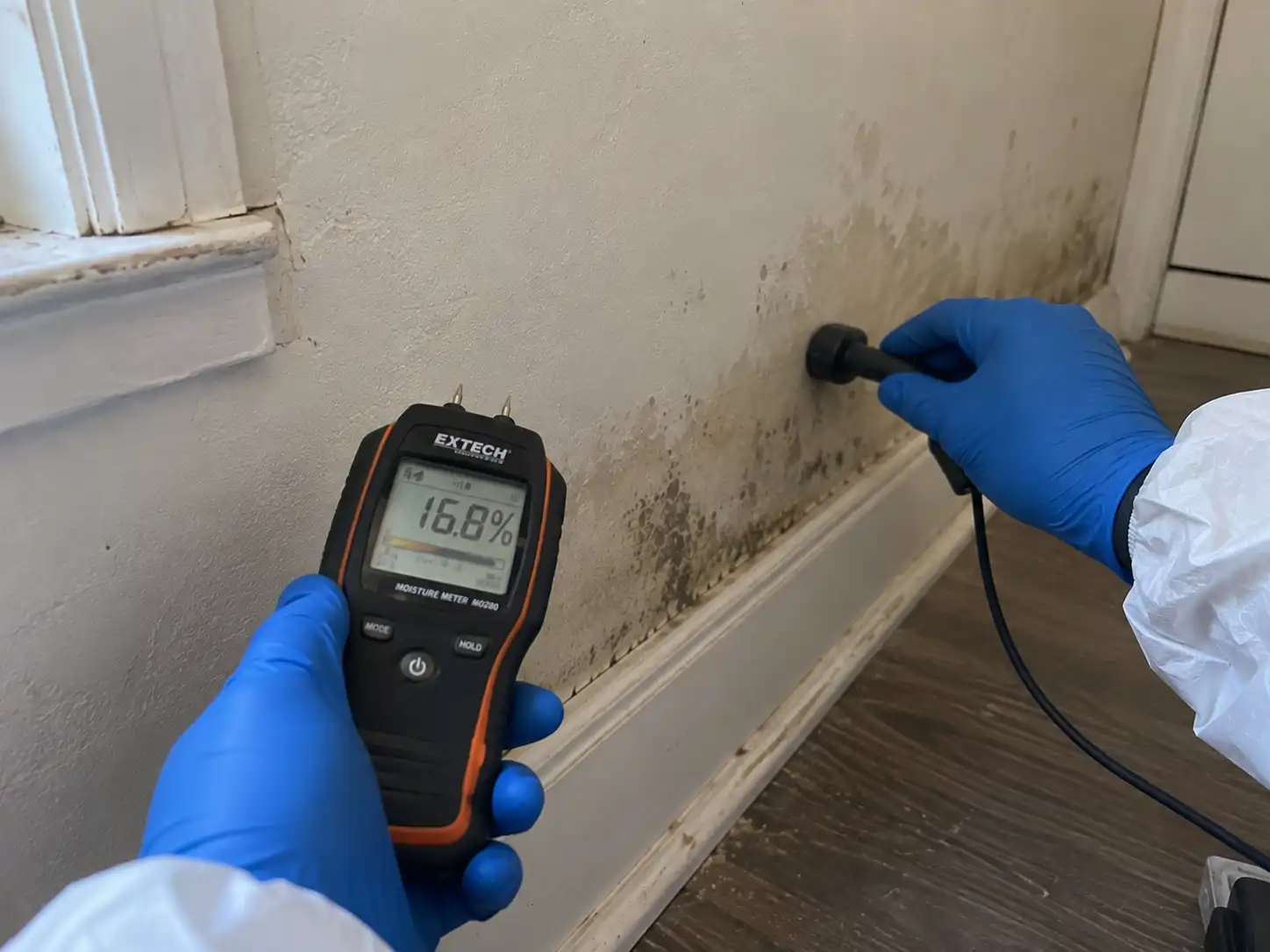
Suspected Hidden Mold
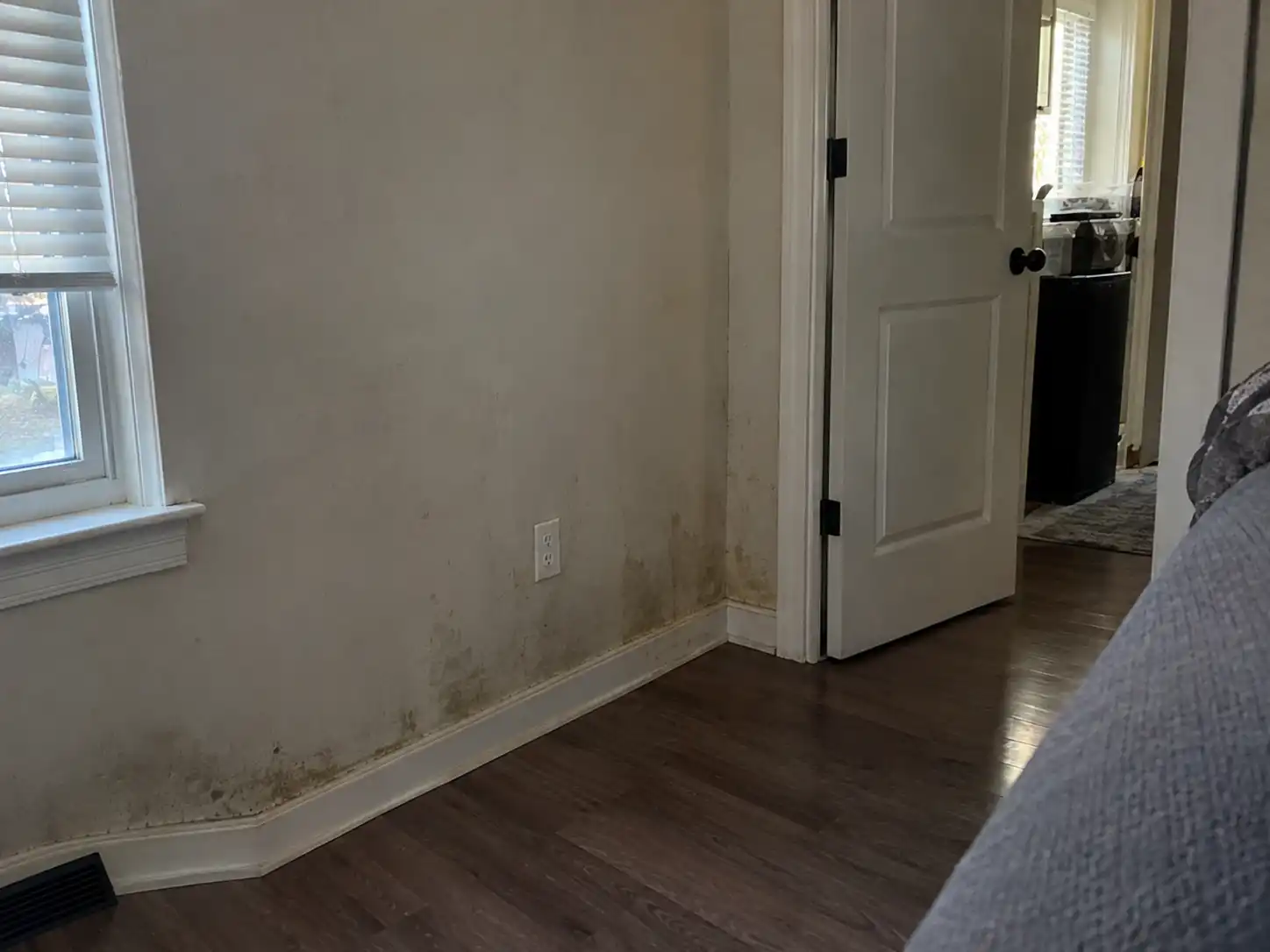
Unexplained Musty Odors
A smell with no visible source usually means mold is growing somewhere you can’t see. Odor alone is enough reason to inspect.
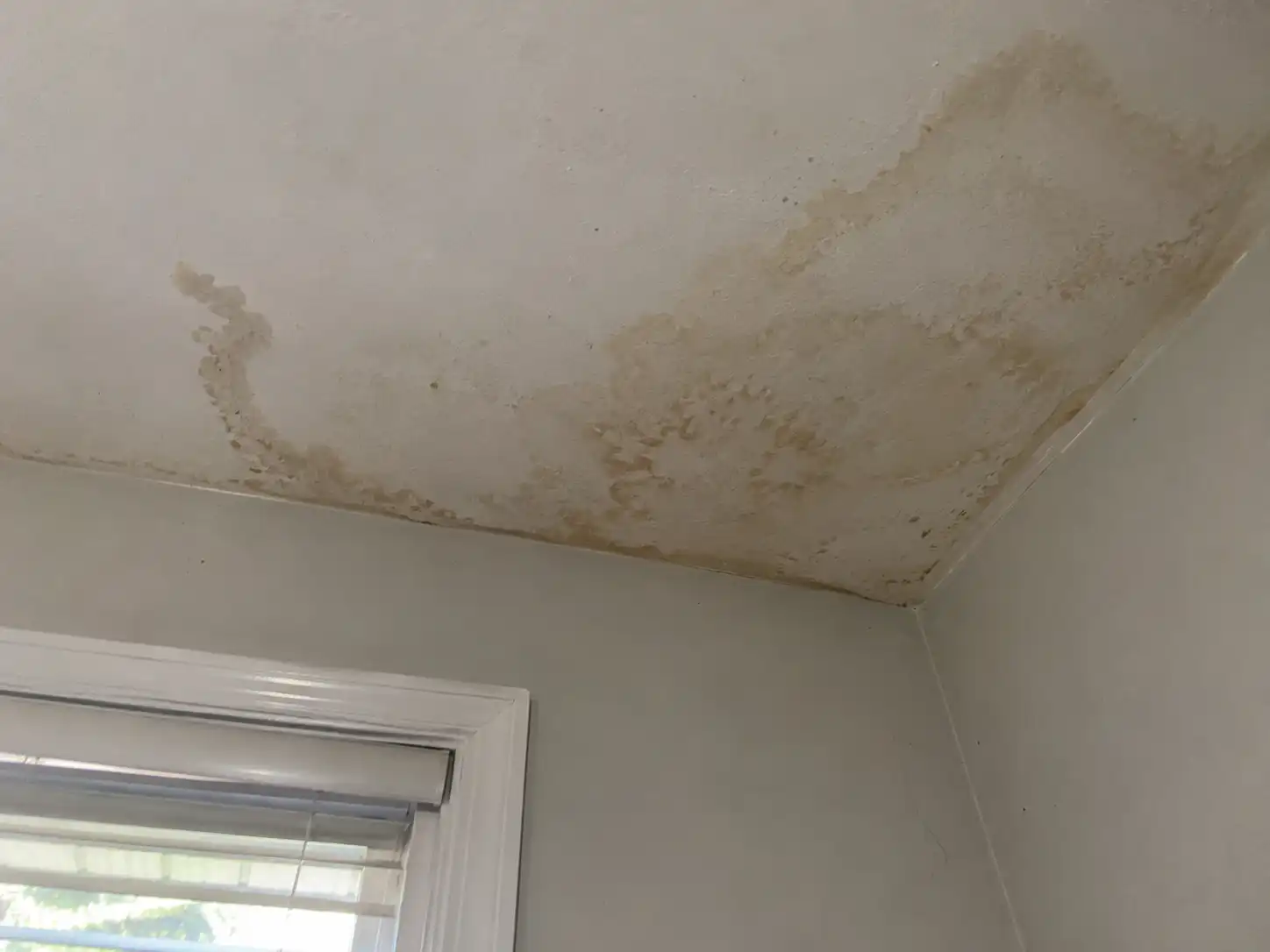
Previous Water Damage
After a leak or flood, testing confirms whether mold established itself during or after drying, especially if drying wasn’t verified as complete.
Indoor Air Quality Concerns
Ongoing allergy symptoms, headaches, or respiratory irritation that improve away from the building are reasons to test the air directly, not just inspect visually.
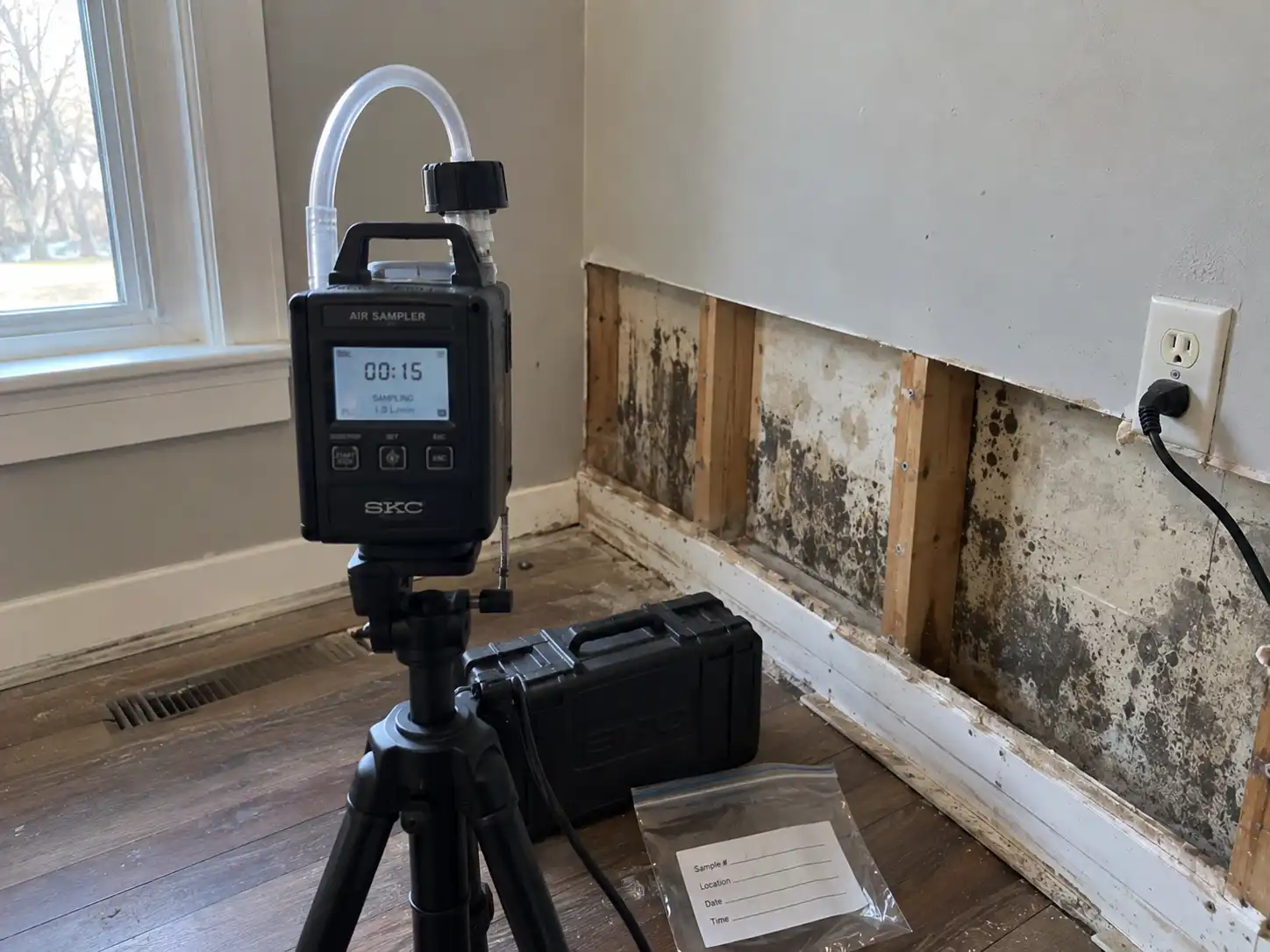
Before or After Remediation
Testing before remediation confirms the scope of the problem. Testing after confirms the space is safe to reoccupy.
Mold Testing for Kansas City Homes and Businesses
Residential Mold Testing
Commercial Mold Testing
Our Mold Testing Process in Kansas City
01
Initial Assessment
02
Sample Collection
03
Laboratory Analysis
04
Reviewing the Results
05
Recommended Next Steps
Mold Testing and Remediation
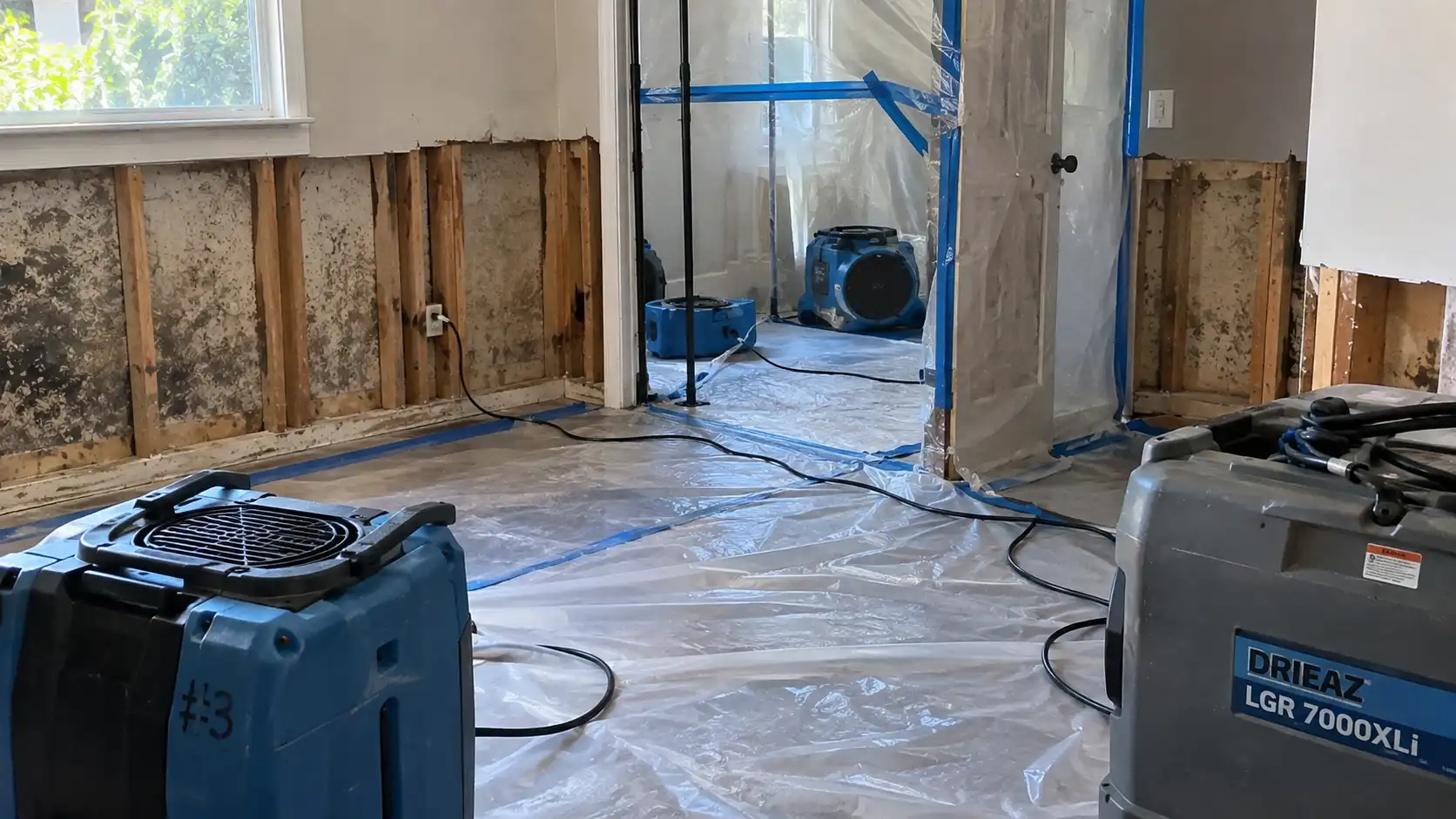
When Testing Leads to Remediation
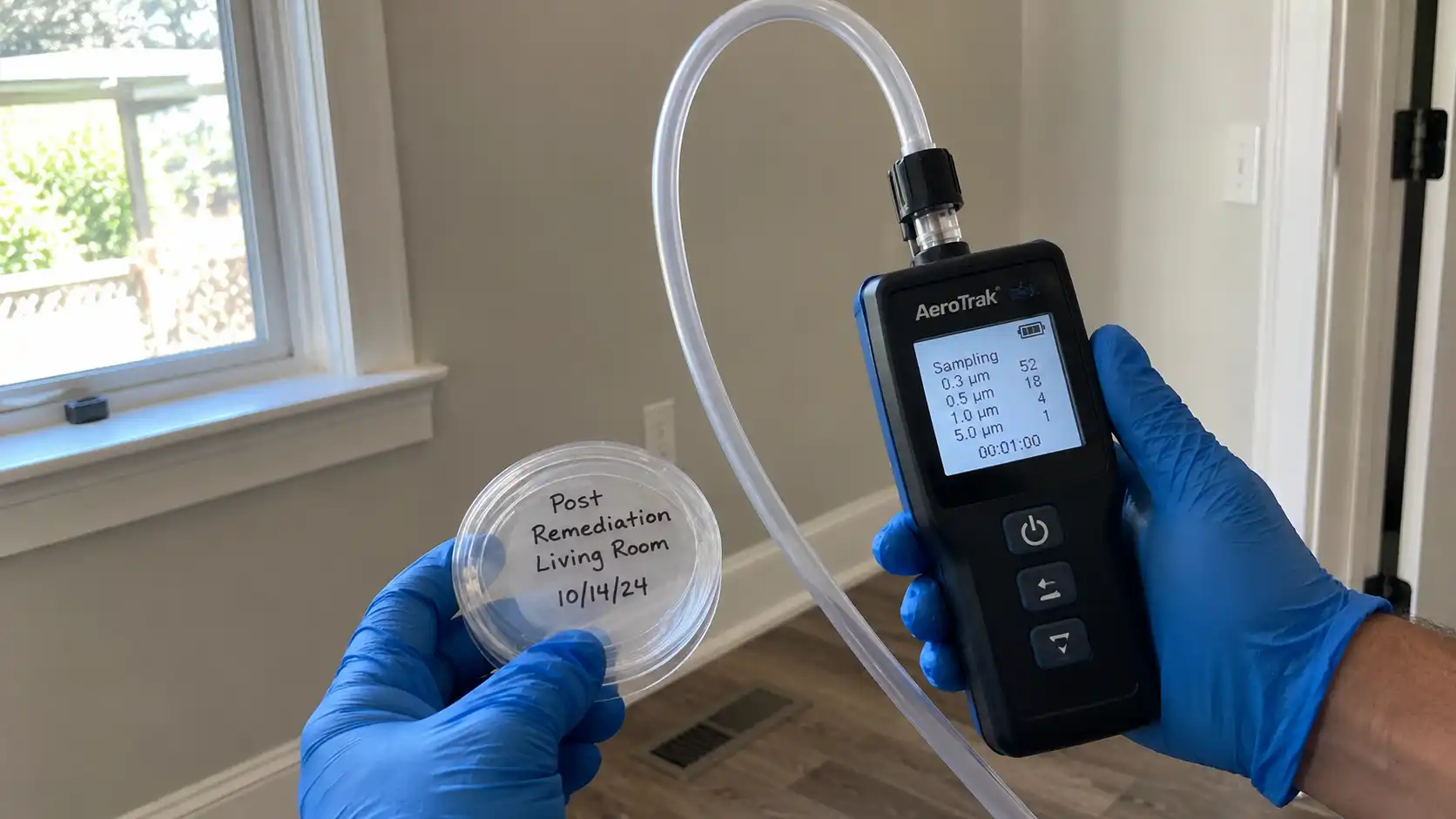
Post-Remediation Testing
What Mold Testing Can Tell You
Testing identifies which mold species are present and at what concentration. It can confirm whether spore levels indoors are elevated compared to outdoor air, which is the baseline used to judge whether a result is a concern.
It can also confirm whether a specific visible spot is actually mold, versus dirt, mildew, or another substance that looks similar. What testing can’t do is find the moisture source — that’s the job of an inspection paired with testing, not testing alone.
Why Choose Us for Mold Testing Over Other Companies
- Free, written inspection reports — not a guess over the phone
- IICRC-trained technicians who follow the S520 standard
- Licensed and insured in Missouri and Kansas
- Independent lab testing, not self-graded results
- 24/7 emergency response — mold doesn't wait for business hours
- Moisture source identified and documented, not just the mold treated
- Containment and negative air pressure to stop cross-contamination during removal
- Photo-documented before/after for insurance claims
- Post-remediation clearance testing before we call the job done
- No cross-selling reconstruction you don't need — remediation and repair kept separate
- Locally owned and operated, serving Kansas City for 10 years
- Direct communication with your insurance adjuster, no runaround
Mold Testing vs Mold Inspection — What Is the Difference?
What an Inspection Evaluates
What Testing Evaluates
When Both May Be Appropriate
Black Mold Testing
Black mold usually refers to Stachybotrys chartarum, which requires sustained moisture, not just humidity, to grow. Surface sampling can confirm whether a suspected spot is this species specifically, rather than a more common and less concerning type of mold.
If Stachybotrys is confirmed, we recommend remediation with stricter containment, since this species can be more prone to releasing spores when disturbed.
Mold Testing Cost
Cost depends on the number of samples and the type of test. Air sampling is typically priced per sample, including the outdoor control sample. Surface sampling is typically priced per spot tested.
We provide a free estimate before scheduling, and lab turnaround time is included in your written quote.
Areas We Serve in the Kansas City Metro
We provide this service throughout Kansas City, MO and the surrounding metro, including:
- Kansas City, MO (Brookside, Waldo, Westport, Northland, Downtown)
- Overland Park, KS
- Lee's Summit, MO
- Independence, MO
- Olathe, KS
- Blue Springs, MO
- Shawnee, KS
- Raytown, MO
- Gladstone, MO
- Liberty, MO
Frequently Asked Questions About Mold Testing
Air sampling typically costs $150 to $300 per sample, including the outdoor control. Surface sampling typically costs $50 to $150 per spot.
No. If mold is clearly visible and you already know the cause, testing isn’t required before remediation. Testing is most useful when the source isn’t visible or you need documented lab results.
Testing identifies which mold species are present and at what concentration, based on air, surface, or dust samples analyzed by an accredited lab.