
Mold Inspection in Kansas City, MO
Something's Off, But You Can't See Why.
A smell with no visible cause. A stain that keeps coming back. A house you’re about to buy or sell with a question mark hanging over it.
Guessing costs more than knowing. A real inspection finds the mold, finds the moisture behind it, and tells you what it actually means.
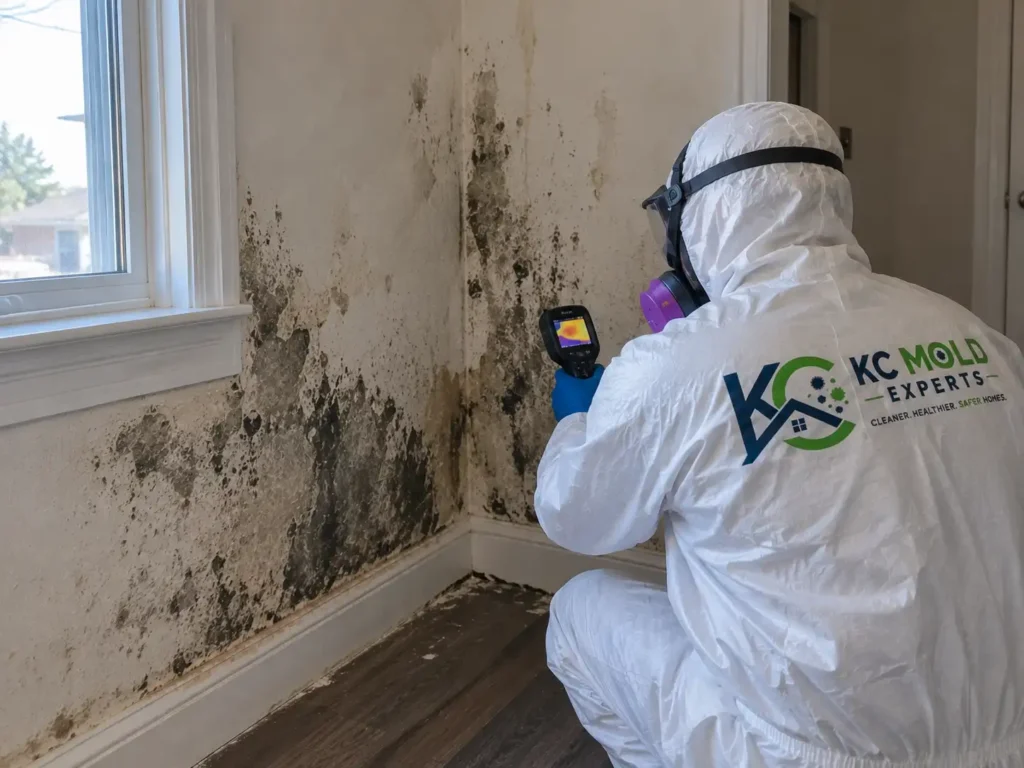
Certified, Insured, Fast Mold Inspection for KC Homes & Businesses
KC Mold Experts is licensed and insured in Missouri and Kansas. Our inspectors are IICRC-trained and follow the ANSI/IICRC S520 standard.
Every inspection includes a written report with photos, not a verbal opinion. Same-week appointments across the Kansas City metro.
Professional Mold Inspections services we Provide
Attic Mold Inspection
We check roof decking, insulation, and ventilation for moisture and growth. Attic mold usually points to a ventilation problem, a roof leak, or a bathroom fan vented into the attic instead of outside.
Basement Mold Inspection
HVAC Mold Inspection
We check coils, drain pans, and accessible duct sections. Mold in an HVAC system spreads through the whole building every time it runs, so we treat this as a higher-priority check even in a small space.
Black Mold Inspection
If growth looks consistent with Stachybotrys (often called “black mold”), we document it separately and recommend sampling. This species needs sustained moisture, not just humidity, so its presence usually points to an active or recent water problem.
When Should You Get a Mold Inspection?
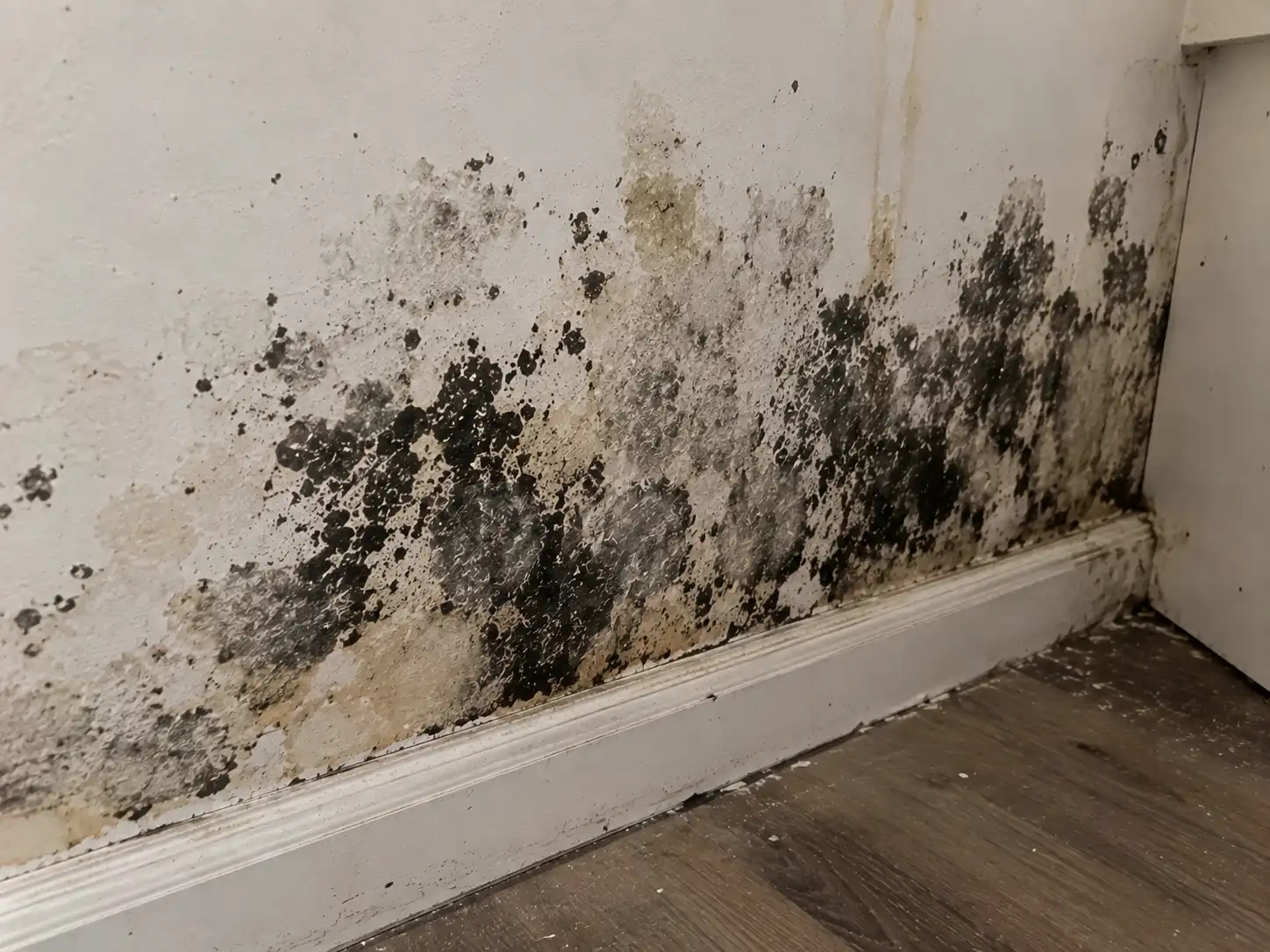
You See Mold but Don't Know the Cause
Visible mold is a symptom. An inspection finds the moisture source causing it, so the problem doesn’t just come back after cleaning.
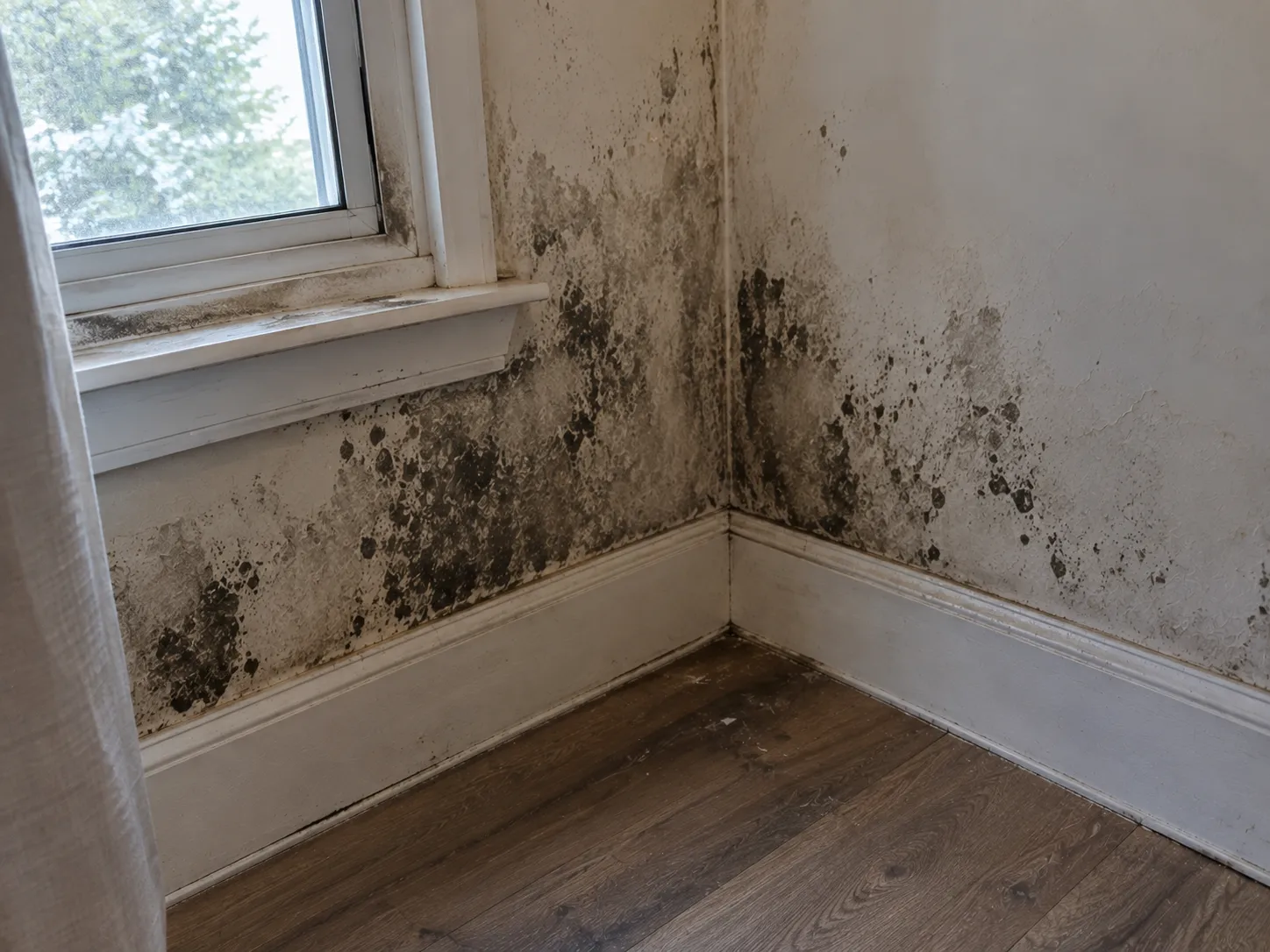
Your Property Has a Musty Odor
A smell with no visible source usually means mold is growing somewhere you can’t see. Odor alone is enough reason to inspect.
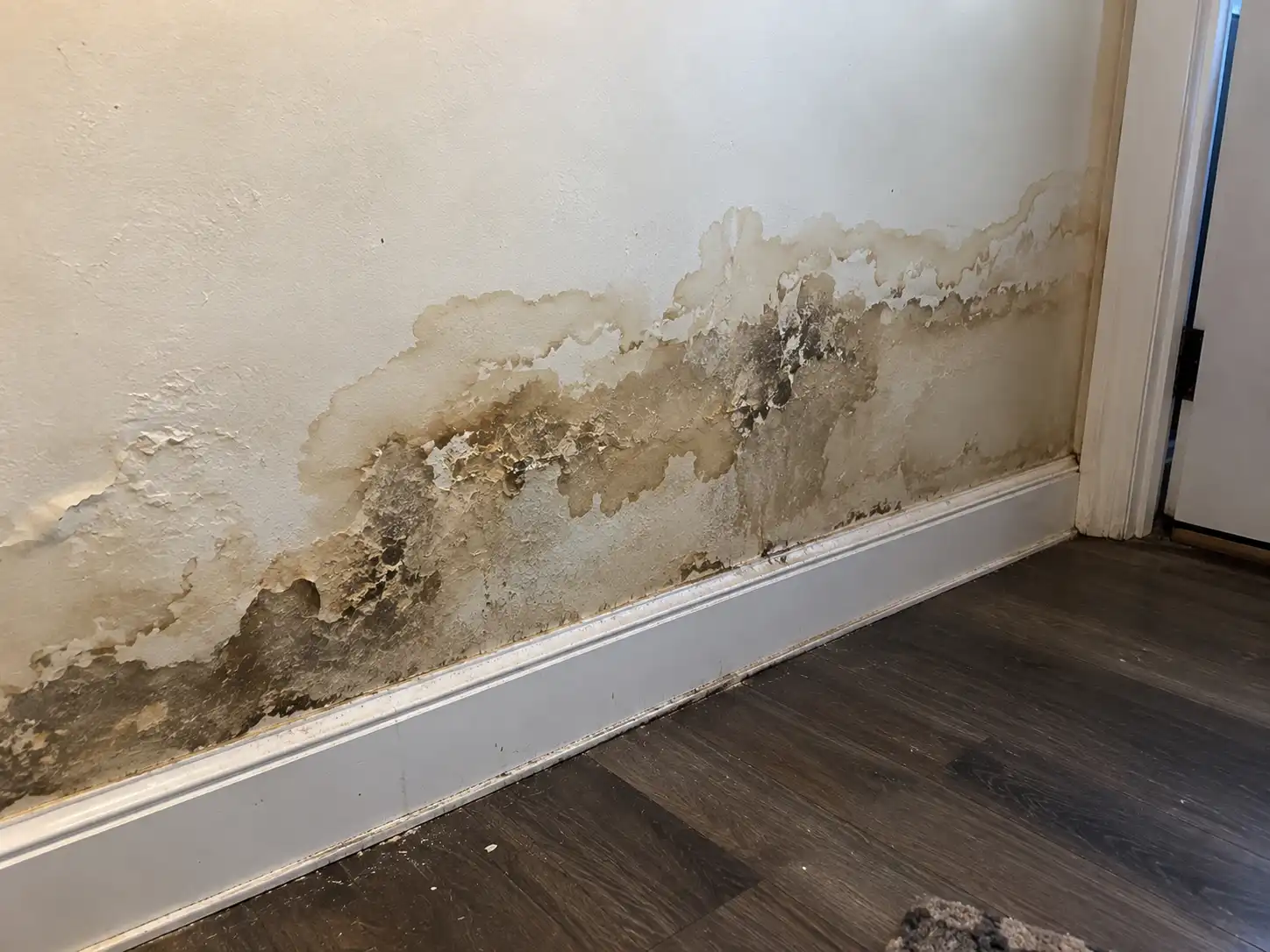
There Has Been Water Damage
Mold can start within 24 to 48 hours after a leak or flood. If drying wasn’t complete, an inspection confirms whether growth has started.
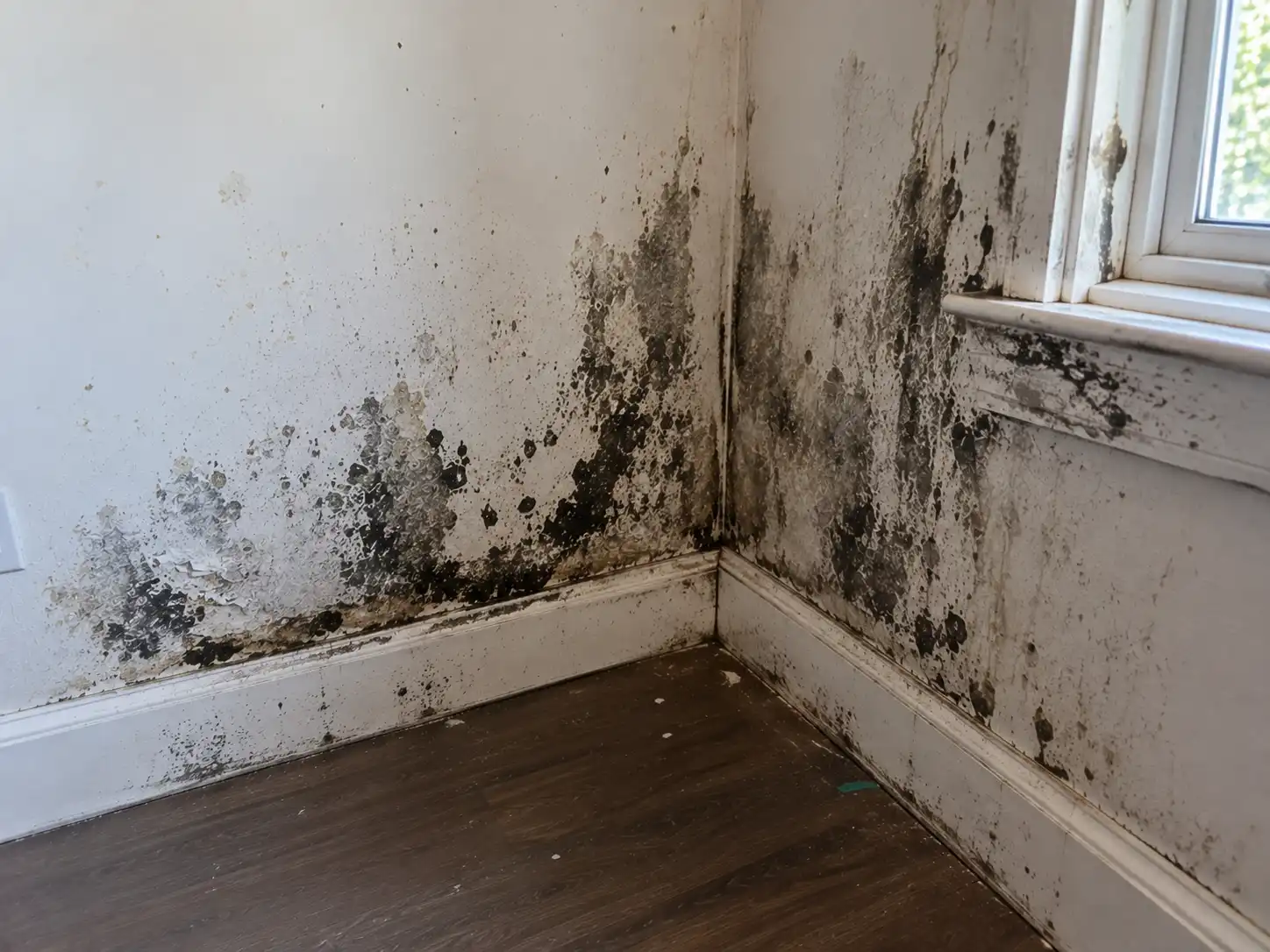
Mold Keeps Returning
Mold that comes back after cleaning usually means the real cause was never fixed. An inspection finds what was missed the first time.
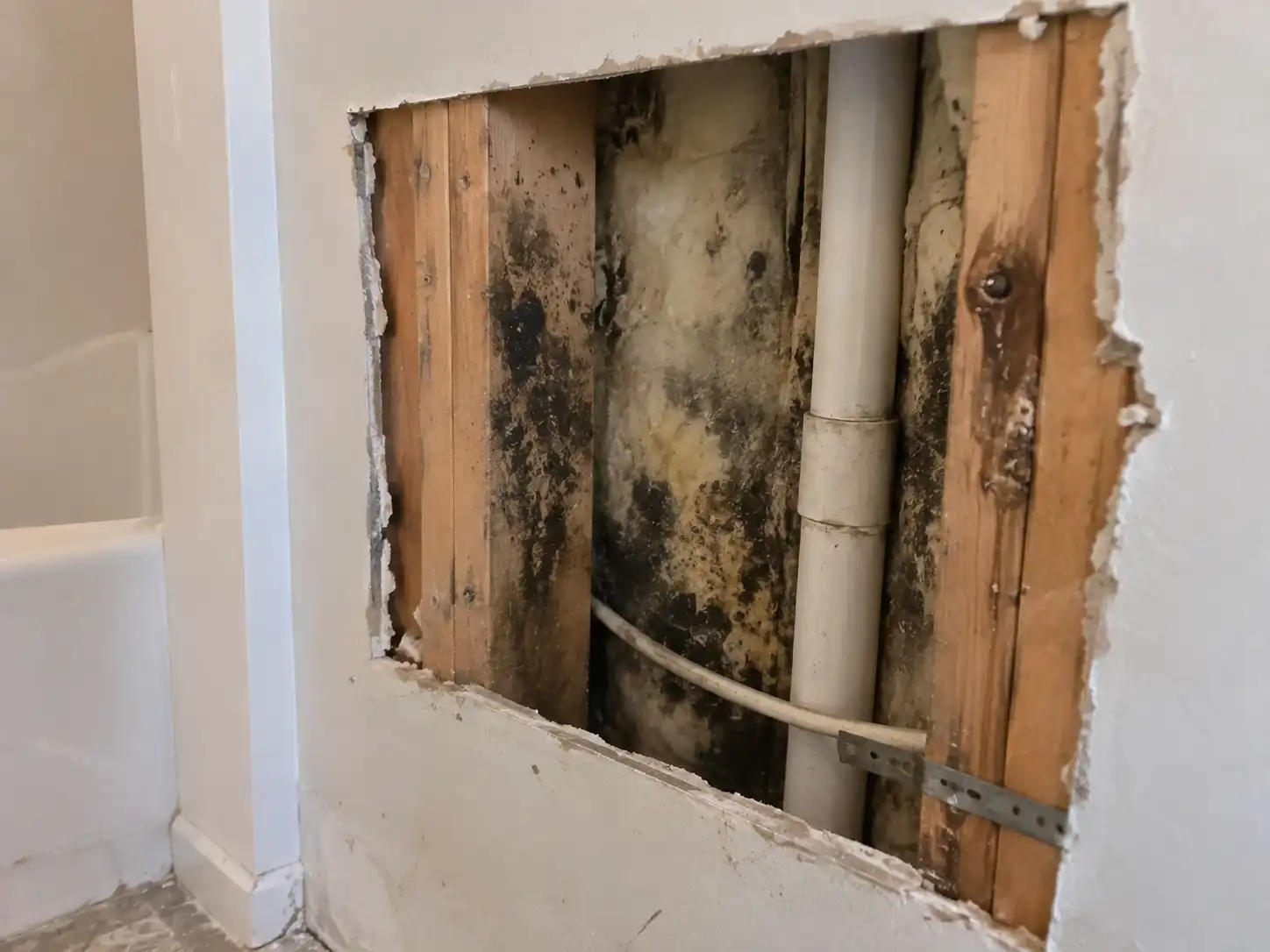
You Suspect Hidden Mold
Musty smells, unexplained allergy symptoms, or past water damage with no visible mold are all reasons to check inside walls, subfloor, or crawlspaces before assuming everything’s fine.
What a Professional Mold Inspection Looks For
Visible Mold and Moisture Conditions
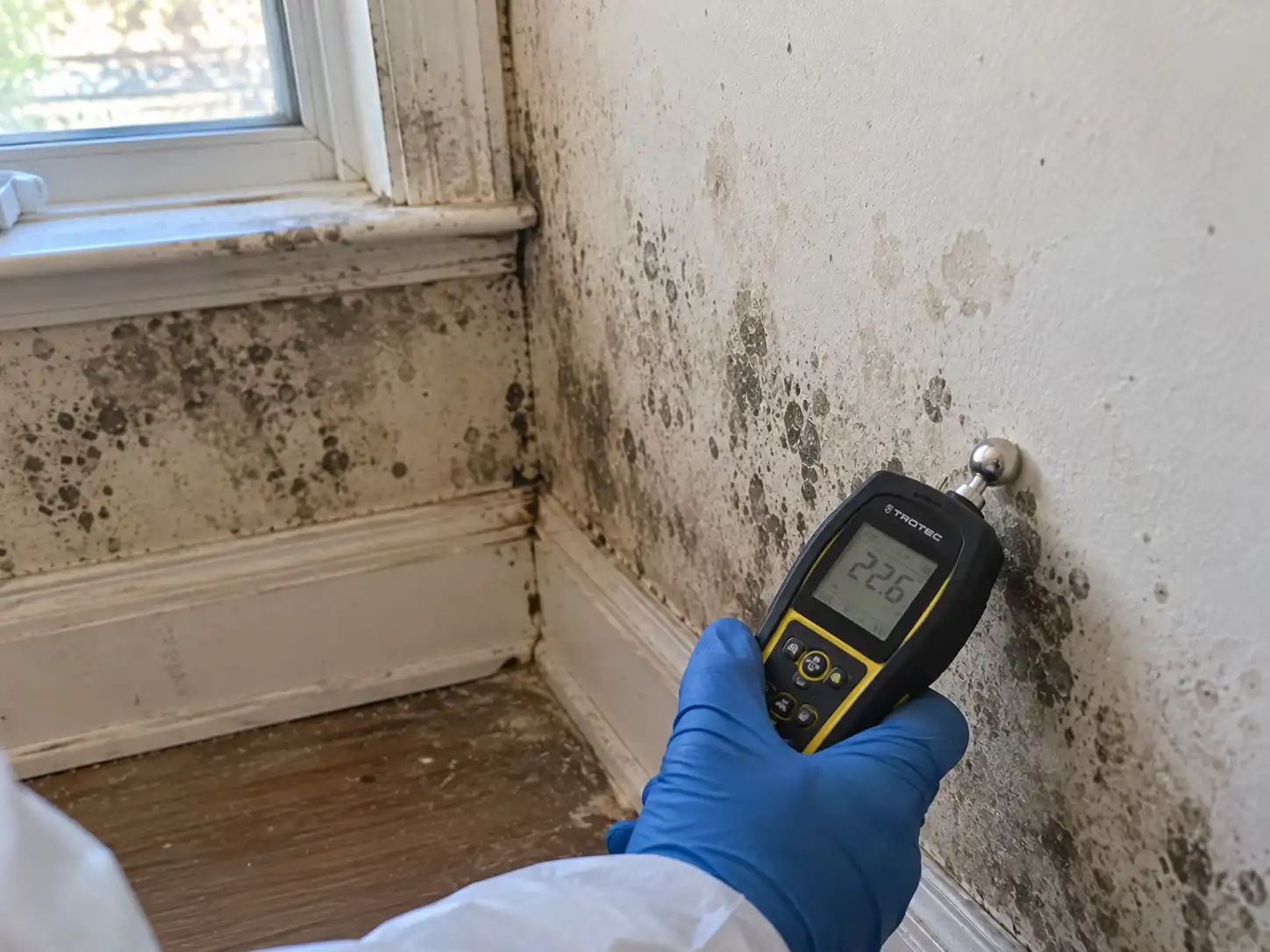
We document any visible growth along with humidity levels and moisture readings in the same area, since mold rarely shows up without a moisture source nearby.
Areas With Previous Water Damage
We check any spot with a history of leaks, flooding, or repairs. Past water damage is one of the strongest predictors of hidden mold.
Hidden or Difficult-to-Access Areas
Conditions That Can Support Future Mold Growth
We flag humidity levels, poor ventilation, and drainage issues that could cause mold even if none is present yet. This is useful for prevention, not just diagnosis.
Our Mold Inspection Process in Kansas City
01
Initial Property Assessment
We review the property’s history — past leaks, renovations, or previous mold issues — before we start checking rooms.
02
Visual Inspection
We walk the property and document any visible mold, staining, or moisture damage room by room.
03
Moisture Assessment
We use moisture meters and thermal imaging to check walls, floors, and ceilings for elevated moisture, even where nothing is visible yet.
04
Inspection of Suspected Areas
We check the specific areas you’re concerned about — a smell, a stain, a past leak — in more detail than the general walkthrough.
05
Documenting Findings
We photograph everything and record moisture readings by location. This becomes the basis of your written report.
06
Recommendations and Next Steps
We tell you plainly whether testing is needed, whether remediation is needed, or whether there’s nothing to act on. Not every inspection ends with a sales pitch.
Mold Inspection vs. Mold Testing
An inspection is a visual and moisture-based assessment. It identifies where mold might be growing and why.
Testing is lab-based. It confirms what species are present and at what concentration, using air samples, surface swabs, or dust sampling sent to an accredited lab.
Most situations start with an inspection. Testing is added when you need documented proof — for a real estate transaction, an insurance claim, or a health concern — or when the inspection can’t visually confirm what’s causing a symptom like a persistent odor.
Who Can Benefit From a Mold Inspection?
Homeowners dealing with a smell, a stain, or a past leak. Homebuyers who want to know what they’re walking into before closing.
Landlords responding to a tenant complaint. Property managers documenting conditions for insurance or legal reasons.
Anyone with unexplained allergy symptoms at home who wants to rule mold in or out.
Mold Inspections for Homes and Commercial Properties
Residential inspections cover single-family homes, condos, and rental units — typically basements, attics, bathrooms, and any room with a specific concern.
Commercial inspections cover offices, retail spaces, and multi-tenant buildings. We provide documentation suitable for property managers, landlords, and insurers, and we can schedule around business hours.
Mold Inspection Cost
Cost depends on the size of the property and whether lab testing is included. A visual inspection alone costs less than an inspection paired with air or surface sampling.
We provide free estimates before scheduling, and a full written quote is included with your inspection report.

Why Choose Us for Mold Inspection
- Free, written inspection reports — not a guess over the phone
- IICRC-trained technicians who follow the S520 standard
- Licensed and insured in Missouri and Kansas
- Independent lab testing, not self-graded results
- 24/7 emergency response — mold doesn't wait for business hours
- Moisture source identified and documented, not just the mold treated
- Containment and negative air pressure to stop cross-contamination during removal
- Photo-documented before/after for insurance claims
- Post-remediation clearance testing before we call the job done
- No cross-selling reconstruction you don't need — remediation and repair kept separate
- Locally owned and operated, serving Kansas City for 10 years
- Direct communication with your insurance adjuster, no runaround
Areas We Serve in the Kansas City Metro
We provide this service throughout Kansas City, MO, and the surrounding metro, including:
- Kansas City, MO (Brookside, Waldo, Westport, Northland, Downtown)
- Overland Park, KS
- Lee's Summit, MO
- Independence, MO
- Olathe, KS
- Blue Springs, MO
- Shawnee, KS
- Raytown, MO
- Gladstone, MO
- Liberty, MO
Frequently Asked Questions About Mold Inspection
A standalone visual inspection typically costs $200 to $400. Adding lab testing (air or surface samples) typically adds $100 to $300 per sample. (Replace with your real pricing — do not publish these placeholders as-is.)
Most residential inspections take 1 to 2 hours. Larger properties or commercial buildings can take longer depending on square footage.
An inspector checks visible areas for mold and moisture, uses meters and thermal imaging to check hidden areas, and documents findings in a written report with photos.
Not always. Testing is recommended when visible confirmation isn’t possible, when you need documented lab results for insurance or real estate, or when there’s a health concern tied to a specific mold species.
Yes. Moisture meters and thermal imaging can detect elevated moisture behind walls and under flooring that isn’t visible during a standard walkthrough.
Follow the recommendations in your written report. If remediation is recommended, get a written scope and estimate before starting work. If nothing was found, keep the report on file for future reference.